
Introduction
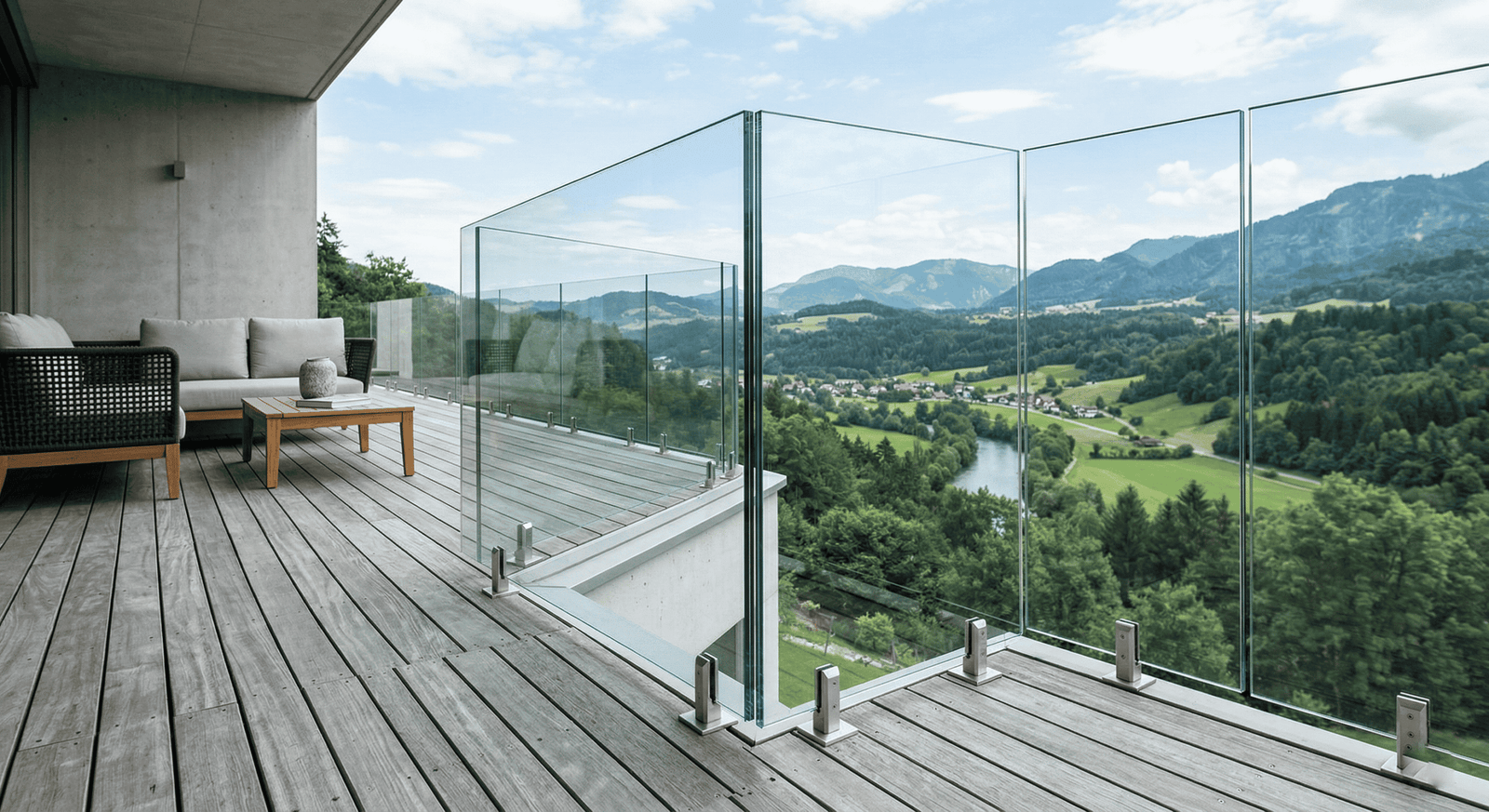
Modern commercial architecture increasingly relies on glass railing systems to create open, elegant, and professional environments. From office buildings and hotels to shopping centres and mixed-use developments, frameless and semi-frameless glass balustrades have become a preferred solution for architects and developers.
Commercial spaces demand a balance between aesthetics, durability, safety, and long-term performance. Selecting the correct railing system is essential to achieving all four.
At Saris Railing Solutions, we provide premium aluminium and glass railing systems engineered for modern commercial applications.
Why Glass Railings Are Popular in Commercial Architecture
Commercial buildings prioritize:
- Clean architectural lines
- Open visual spaces
- Premium finishes
- Natural light optimization
Glass railing systems help achieve these goals while maintaining strict safety standards.
Key Areas Where Commercial Glass Railings Are Used
Office Buildings
Glass balustrades are commonly installed in:
- Staircases
- Mezzanines
- Atriums
- Balcony walkways
They improve light distribution and create a more professional modern interior.
Hotels and Hospitality Spaces
Hotels frequently use frameless railings for:
- Balcony systems
- Pool fencing
- Rooftop terraces
- Lobby staircases
The transparent appearance helps create luxury visual appeal for guests.
Retail and Shopping Centres
Commercial retail environments benefit from:
- Better visibility
- Open layouts
- Enhanced aesthetics
- Durable public-use systems
Glass railings also support modern branding-focused interior designs.
Important Factors When Choosing a Commercial Railing System
1. Glass Specification
Commercial projects typically require:
- Toughened laminated safety glass
- Higher structural performance
- Increased impact resistance
Common specifications include:
- 10+10 laminated glass
- 12+12 laminated glass
The final specification depends on:
- Building height
- Crowd load
- Wind load requirements
- Local regulations
2. Aluminium Profile Strength
Commercial railing systems require heavy-duty aluminium profiles capable of supporting larger glass panels and increased structural loads.
Benefits of aluminium systems include:
- Corrosion resistance
- Lightweight installation
- Minimal maintenance
- Long lifespan
3. Safety Compliance
Commercial buildings must comply with:
- Structural regulations
- Safety standards
- Accessibility requirements
- Public-use load requirements
Proper engineering and installation are essential for long-term safety.
4. Design and Finish Options
Modern commercial projects often choose:
- Matte black aluminium
- Brushed inox finishes
- Concealed fixing systems
- Minimal visible hardware
These finishes create a sleek premium architectural appearance.
Frameless vs Semi-Frameless Systems
Frameless Systems
Advantages:
- Maximum visibility
- Luxury appearance
- Minimal architectural obstruction
Best for:
- Premium developments
- Hotels
- Luxury office spaces
Semi-Frameless Systems
Advantages:
- Additional structural support
- More economical
- Flexible installation options
Best for:
- High-traffic areas
- Budget-conscious commercial projects
- Mixed-use developments
Maintenance Benefits for Commercial Properties
Commercial properties prefer glass railing systems because they are:
- Easy to clean
- Weather resistant
- Rust resistant
- Low maintenance
Powder-coated aluminium profiles maintain appearance for years with minimal upkeep.
Conclusion
Glass railing systems continue to shape modern commercial architecture by combining safety, durability, and contemporary design. Whether for offices, hotels, or retail spaces, selecting the correct aluminium profile system and glass specification is critical for long-term performance.
At Saris Railing Solutions, we supply modern railing systems engineered to meet the demands of today’s commercial construction projects while delivering premium architectural aesthetics.